Centered on Livingstone and the Upper Zambezi, the Victoria Falls region of southern Zambia combines strategic geography, strong infrastructure, and long-term habitability.
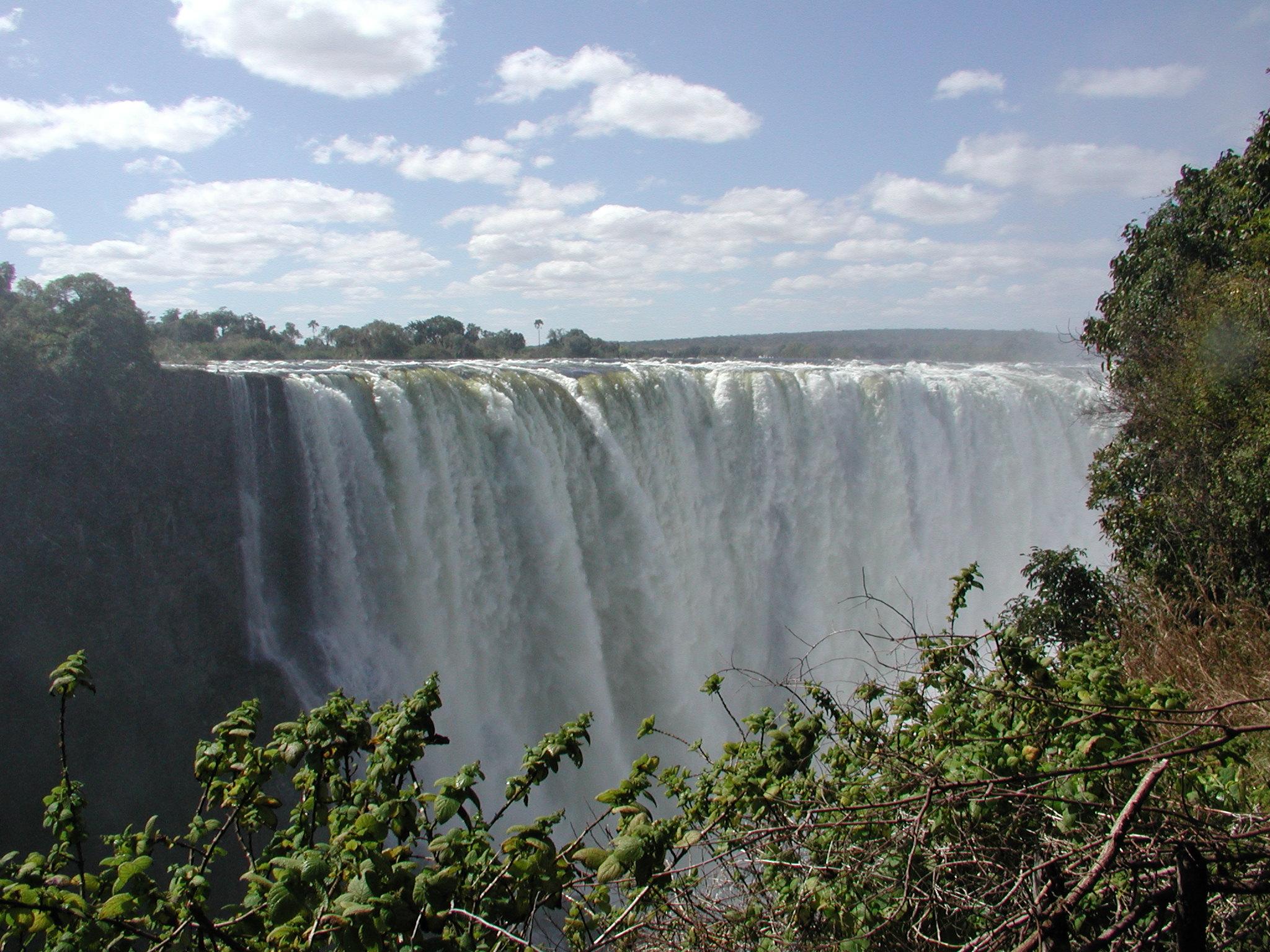
Livingstone sits upstream of Victoria Falls on the Zambezi River, providing dependable year-round freshwater, irrigation potential, fishing, and transport routes.
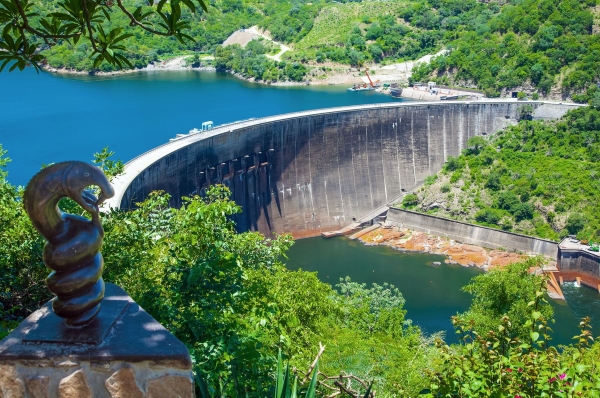
The region benefits directly from the Zambezi hydropower network, including Kariba Dam downstream, offering renewable electricity unmatched in much of the continent.
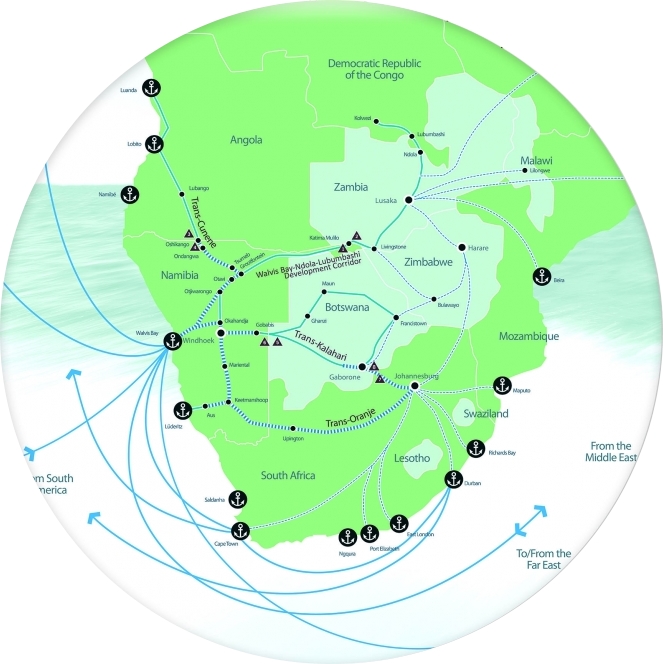
Southern Zambia is distant from global power centers yet connected to Botswana, Namibia, and Zimbabwe through stable regional corridors.
Livingstone lies on a basalt plateau at roughly 900–1,000 m elevation. This moderates heat, improves night-time cooling, and reduces the intensity of many vector-borne diseases compared to lower riverine regions. Malaria is found throughout central Africa, but the risks are low provided basic precautions are taken, anti malarial treatment is readily available along with common generic drugs doxycycline and malarone which are readily attainable and have long storage lives
The majority of ex-patriates never get malaria, even those living in the area for many years. Along with malaria, there are a few cases of dengue fever, chickungunya and tick bite fever, as well as sometimes rabies found in the region but these cases are very rare in the Victoria Falls/Livingstone area, with preventative vaccines and/or treatments being available.
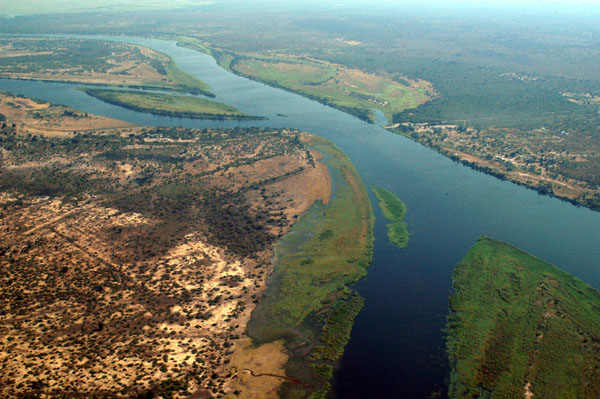
Small-scale farms, cattle land, and river-fed plots surround Livingstone, enabling decentralised food production across maize, sorghum, legumes, horticulture, and livestock.
Southern Province remains lightly populated by global standards, lowering competition for land and water during periods of systemic stress.
Zambia’s long-standing political continuity and absence of major internal conflict support predictability in crisis scenarios.
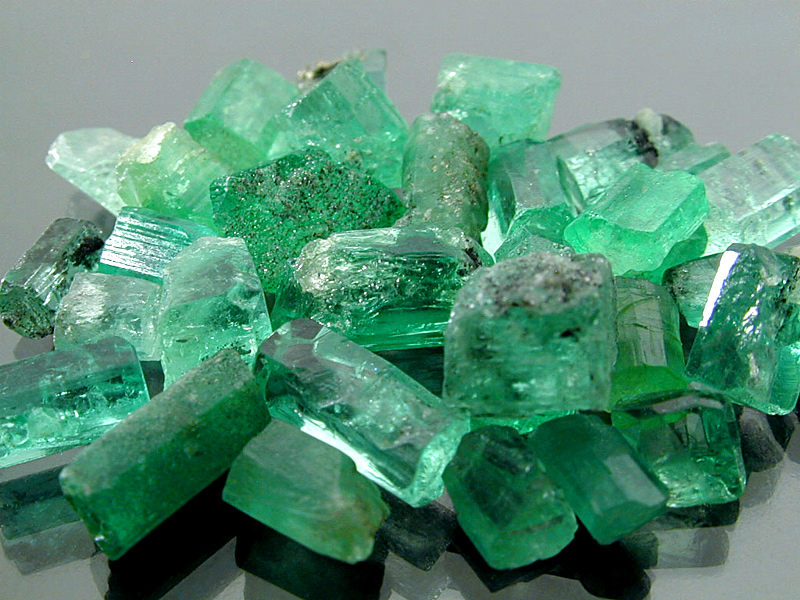
There are very large valuable resources of copper, chromium and gold currently mined in large areas of Zambia, as well as aluminum, silicone, phosphorus, sulfur, chloride, potassium, calcium, titanium, vanadium, chromium, manganese, iron, cobalt, and tantalum in major commercial grade qualities. These are also a number of valuable gemstones found, include a major portion of the worlds emeralds. This should ensure continuation of transportation infrastructure and inward wealth flow to Zambia even in the event of a global Western financial collapse (China, Russia and the Middle East Sharia banking system do not have the huge debt exposures that Western banks do and are already major market areas). China is currently the main beneficiary of major copper and rare earth resources due to various reasons, and is behind most investment in these fields.

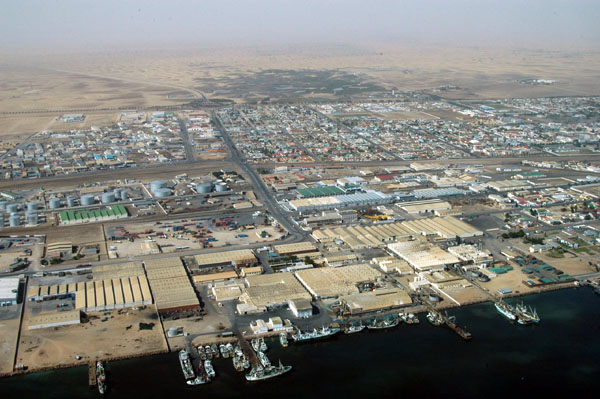
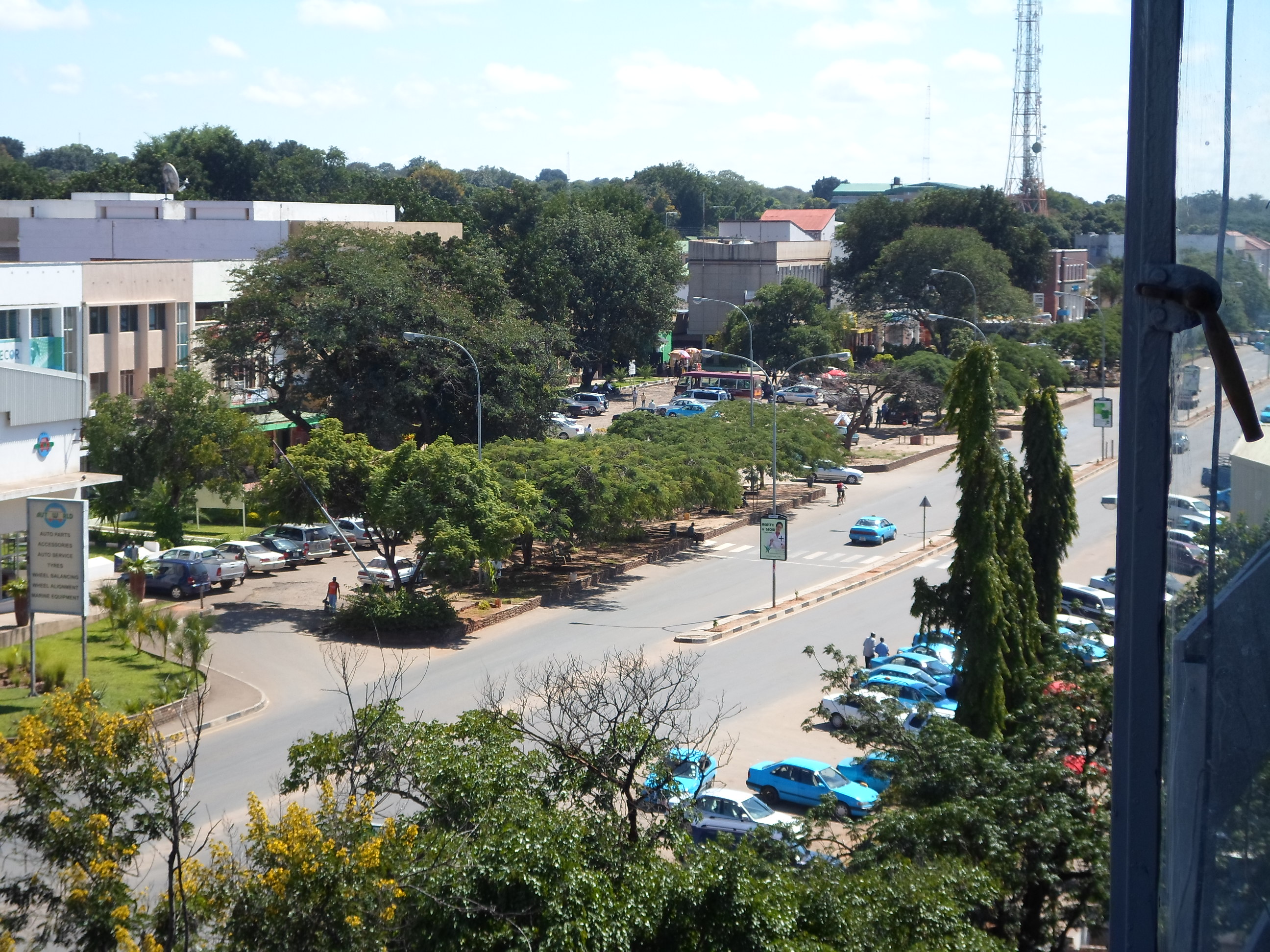
Livingstone functions as a regional logistics node with multiple layers of redundancy for air, road, and power—important for continuity during regional or global disruption.
Livingstone’s role as a tourism and provincial hub has driven investment in healthcare access and water systems that exceed what is typical for towns of comparable size.
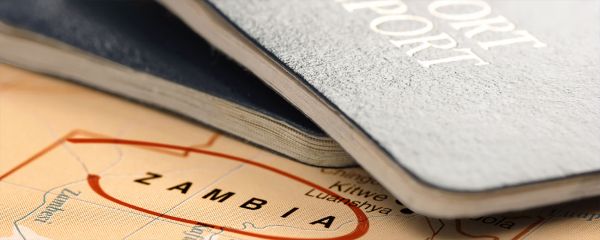
Zambia maintains one of the more accessible and transparent immigration regimes in Southern Africa, particularly for investors, retirees, and long-term residents. Applications and renewals can be initiated and tracked through the official Department of Immigration e‑services portal.
• Official e‑services portal: eservices.zambiaimmigration.gov.zm
• Full list of permits and requirements: zambiaimmigration.gov.zm/permit-types
Zambia’s residence framework is notable for its clarity and administrative accessibility compared to many jurisdictions, particularly for applicants with demonstrable self‑sufficiency, investment activity, or family ties.
All land in Zambia is vested in the state, but foreigners may legally hold land under long-term leasehold arrangements—most commonly 99-year renewable leases.
In the Livingstone area, leasehold land is widely used for farms, lodges, and private residences, offering legal clarity while avoiding restrictions found in many other countries.
Zambia permits private, licensed firearm ownership under a regulated civilian framework. Firearms may be lawfully owned by qualifying individuals subject to licensing, registration, and safe-keeping requirements administered by the Zambia Police Service.
This legal environment supports lawful self-reliance while maintaining public order, particularly in low-density and agricultural settings.
Southern Zambia hosts a long-established hunting, conservation, and safari industry, operating under licensing, quota, and wildlife-management regulations.
This ecosystem reinforces institutional familiarity with firearms regulation, conservation security, and responsible rural land use.
Livingstone is connected to Zambia’s national fiber backbone, supporting government, business, and tourism operations. Fixed-line connectivity provides higher stability than mobile-only access and underpins institutional communications.
Multiple mobile operators provide overlapping 3G and 4G coverage across Livingstone, the Victoria Falls corridor, and major highways. Provider redundancy improves resilience during localized outages.
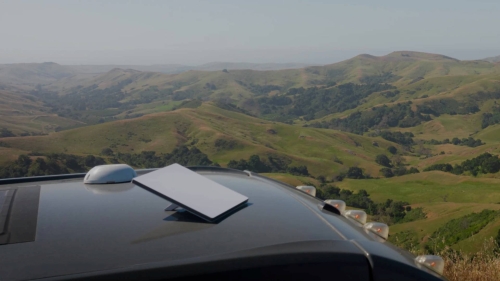
Satellite internet, primarily Starlink, is widely used by lodges, farms, and remote properties as backup or primary connectivity. This provides independence from terrestrial infrastructure and continuity during regional or national disruptions.
In practice, resilient users combine fiber where available, mobile data for day-to-day redundancy, and satellite links as an independent fallback.
Fuel supply to Southern Zambia is diversified across multiple overland corridors, reducing dependence on any single port or country.
At the local level, resilience is strengthened through storage and substitution.
Fuel is best treated as a strategic reserve rather than a continuous assumption, with solar and efficiency measures extending operational endurance.
Overall resilience improves markedly when critical systems are decentralised and locally maintained, with regional backstops rather than global dependencies. If a global central digital currency emerges, this area should be one of the places that relies on traditional local currency cash trading
I am confident that I would be well suited to form mutually beneficial partnerships with like-minded individuals. Given current global developments, now is the time to work together. I am a permanent resident of Zambia and a citizen of both Zimbabwe and the United Kingdom, of fully British/Irish ancestry. My father was a Zambian-born citizen of Irish and English descent, my mother is English-born to English farming stock parents on both sides going back to the Domesday book, and I was born in Zimbabwe (Rhodesia as it was). I was educated in Zimbabwe, South Africa and the UK, attended senior school and university (mining engineering degree Leeds BEng) in the UK, and have worked as a self-employed gemmologist for over 20 years. Both my grandfathers as very young men fought and won medals on the Western Front in World War One and both suffered from the traumatic effects of years of battle. I have never fought in a war, but I grew up in a civil war and have faced real physical dangers in my adult life.
I am a Fellow (FGA) of the Gemmological Association of Great Britain (Foundation and Diploma in Gemmology, studied full time London) and a graduate of the Gemmological Institute of America (Diamond Diploma, studied full time). I have professional experience working in multiple countries, including several in Africa. After university, I worked in Kenya for a safari company and later ran a self-funded, fully licensed mineral and gemstone prospecting business in Uganda until approximately 8 years ago. Since then I have been working as a independent (field) gemmologist, self employed and travelling to multiple countries, buying gemstones, having them reliably certified and manufacturing jewellery using reliable goldsmiths - mainly for sale via auction houses in the UK, EU and USA. I do for real what many people talk about without any real knowledge of, and have done so for a long time.